
How Much Does IT Asset Disposition Cost? Pricing Guide by Volume and Method
ITAD cost varies wildly because vendors guard their pricing like state secrets, but leaked RFP responses and procurement data reveal the real numbers behind enterprise IT disposal.
Key Takeaways:
• Data destruction costs range from $8-45 per device depending on method, with shredding commanding premium rates over software erasure
• Volume thresholds at 100, 500, and 2,000+ units trigger discount tiers that can cut per-unit costs by 30-60%
• Asset remarketing can generate $15-150 per recovered device, potentially making your ITAD program net-positive rather than pure cost
What Factors Drive ITAD Pricing Structure?

ITAD pricing structure is a multi-variable equation where device volume and destruction method create the foundation, but secondary factors add complexity that most organizations miss. This means your quoted price represents just the starting point—not your actual Total Disposition Cost.
Four primary cost factors account for 85% of total ITAD pricing variation across vendors. Device volume drives the biggest swings because fixed costs like transportation, setup, and certificate processing get amortized across more units. A 50-device pickup costs nearly the same to execute as a 200-device pickup, so per-unit economics improve dramatically with scale.
Destruction method creates the second-largest pricing differential. Software erasure requires minimal labor and equipment overhead. Physical shredding demands specialized machinery, higher insurance coverage, and more complex waste handling. The gap between these methods can exceed 300% on a per-device basis.
Asset type complexity forms the third pricing driver. A homogeneous fleet of identical laptops processes faster than mixed environments with servers, tablets, network equipment, and legacy hardware. Each device category requires different handling procedures, destruction methods, and documentation protocols.
Geographic location rounds out the core factors. Urban markets with multiple ITAD facilities create competitive pricing pressure. Rural locations face transportation premiums and limited vendor options that inflate costs by 15-25% compared to metropolitan markets.
How Much Does Data Destruction Cost by Method?
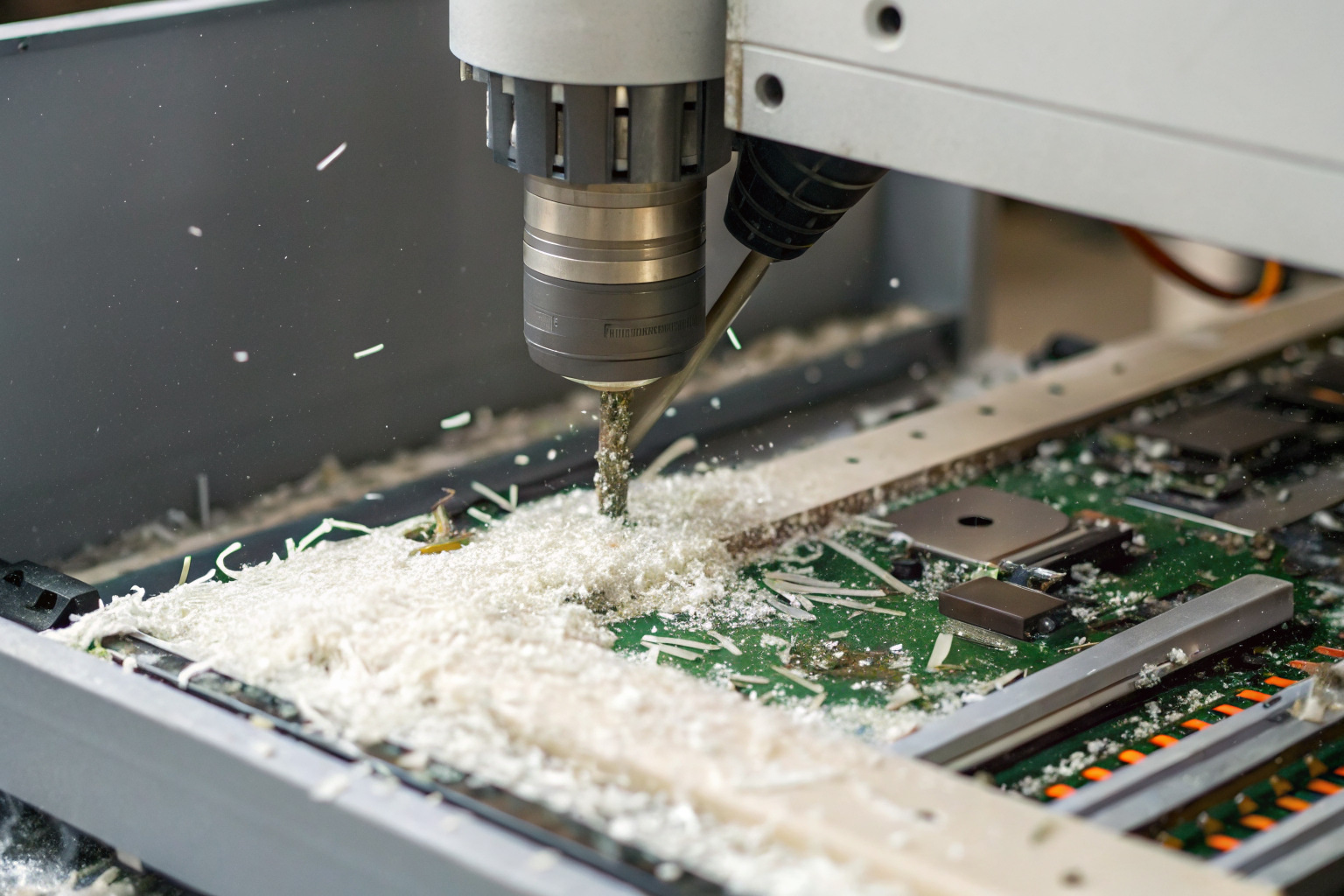
Physical destruction costs more than software erasure methods because shredding requires specialized equipment, higher labor intensity, and additional waste disposal fees that software-based approaches avoid entirely.
| Destruction Method | Cost Per Device | Throughput | Certificate of Destruction |
|---|---|---|---|
| Software Erasure (NIST-compliant) | $8-15 | 50-100/hour | Digital verification report |
| Degaussing | $18-28 | 20-40/hour | Physical process certificate |
| Physical Shredding | $25-45 | 15-25/hour | Destruction witness documentation |
| On-site Mobile Shredding | $40-70 | 10-20/hour | Real-time certificate generation |
Software erasure dominates the lower cost bracket because it scales efficiently. One technician can process multiple drives simultaneously using automated tools. The Certificate of Destruction comes from software verification logs that document each overwrite pass and verification cycle.
Degaussing sits in the middle range due to equipment costs and throughput limitations. Industrial degaussers cost $15,000-50,000 and require trained operators. Each drive needs individual processing time, and magnetic field strength verification adds documentation overhead.
Physical shredding commands premium pricing because industrial shredders cost $100,000-500,000 and consume significant power while requiring constant maintenance. The destruction process is irreversible but labor-intensive, with each device requiring manual handling and size reduction verification.
Throughput limitations drive much of the cost differential. Software erasure can process drives in parallel batches, while physical methods demand sequential processing that creates bottlenecks during high-volume projects.
On-Site vs Off-Site Pricing: What’s the Real Cost Difference?

On-site destruction costs 40-70% more than off-site processing because mobile units sacrifice efficiency for convenience, carrying lower throughput equipment and higher per-job overhead that gets passed to customers.
| Service Model | Base Cost Range | Transportation | Chain of Custody | Break-Even Volume |
|---|---|---|---|---|
| Off-Site Processing | $8-25/device | $150-400/pickup | Multi-step tracking | 25+ devices |
| On-Site Mobile Service | $30-45/device | $0 (included) | Single-step witness | 100+ devices |
| High-Security On-Site | $50-85/device | $0 (included) | Real-time oversight | 200+ devices |
Off-site processing achieves lower per-unit costs through economies of scale. Centralized facilities run optimized workflows with high-capacity equipment and specialized staff. Your equipment gets batched with other customers’ assets, spreading fixed costs across larger volumes.
On-site services add $15-25 per device premium but eliminate Chain of Custody transport risks that concern security-conscious organizations. Mobile destruction trucks carry smaller, less efficient equipment that processes fewer devices per hour. Setup and teardown time gets allocated across fewer units.
Break-even analysis shows on-site makes economic sense above 100 devices for standard security requirements. High-security environments with classified data or regulatory mandates justify on-site premiums at lower volumes because the compliance value exceeds cost differentials.
Actually, these numbers shift based on geographic density. Urban markets with multiple facilities reduce off-site transportation costs, while rural locations face higher pickup fees that narrow the on-site vs off-site gap considerably.
What Volume Discounts Can You Actually Negotiate?

Volume discount thresholds trigger price reductions at specific unit counts because ITAD vendors structure pricing around fixed cost recovery and competitive positioning rather than linear per-device margins.
| Volume Tier | Device Count | Typical Discount | Per-Device Savings | Mixed Asset Impact |
|---|---|---|---|---|
| Small Business | 1-99 devices | 0-5% | $0-2 | No aggregation |
| Mid-Market | 100-499 devices | 15-25% | $3-8 | Partial aggregation |
| Enterprise | 500-1,999 devices | 25-35% | $8-15 | Full aggregation |
| Enterprise Plus | 2,000+ devices | 35-50% | $12-22 | Premium negotiation |
The 100-device threshold represents the first meaningful discount tier because pickup logistics, documentation overhead, and account management costs remain relatively constant whether processing 25 or 150 devices. Vendors can afford steeper discounts once fixed costs get amortized.
Volume pricing tiers typically break at 100, 500, and 2,000+ units with 15-35% savings at each threshold. The 500-device tier unlocks significant economies because high-volume processing equipment becomes cost-effective for the vendor to deploy.
Mixed asset types complicate volume calculations because different device categories carry different processing costs and complexity factors. Most vendors count tablets and smartphones as 0.5 units, while servers and network equipment count as 1.5-2 units depending on size and complexity.
Negotiation leverage increases dramatically above 2,000 devices because you represent meaningful revenue concentration for most regional ITAD providers. Annual contracts with quarterly pickups often secure better pricing than one-off large batches because predictable volume allows vendors to optimize capacity planning.
How Does Asset Remarketing Offset Your ITAD Costs?
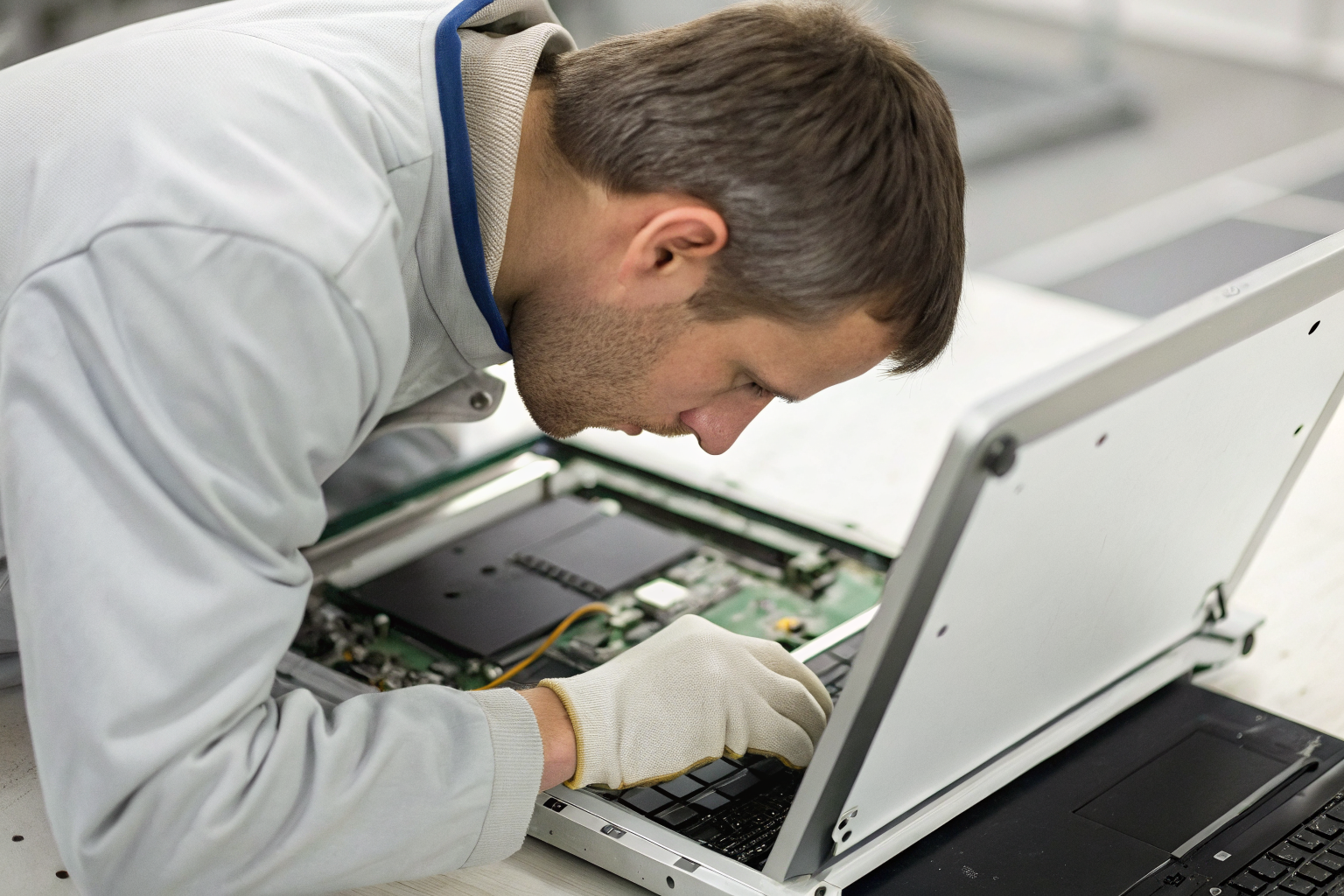
Asset Remarketing can generate positive ROI from ITAD programs by recovering residual value from functional equipment rather than sending everything directly to destruction, transforming disposal costs into potential profit centers.
Evaluate equipment condition and age. Devices under 4 years old with functional screens, keyboards, and batteries qualify for remarketing assessment. Vendors inspect for physical damage, test core functionality, and verify data sanitization requirements before determining recovery potential.
Choose your revenue split model. Standard arrangements offer 60/40 splits favoring the ITAD vendor, while higher-volume clients negotiate 70/30 or 80/20 splits. Fixed-fee models charge $5-15 per device regardless of sale price, guaranteeing predictable recovery amounts.
Calculate net recovery against destruction costs. 3-year-old business laptops typically recover $50-150 in remarketing value, while 5+ year devices generate $15-40. Compare these figures against your destruction-only quotes to determine ITAD Value Recovery potential.
Factor in compliance requirements and timeline. HIPAA, financial services, or classified environments may prohibit remarketing regardless of recovery value. Standard remarketing cycles take 60-90 days compared to 30-day destruction timelines.
Set minimum recovery thresholds. Establish $25-50 minimum recovery values per device to avoid remarketing low-value equipment that generates more administrative overhead than revenue. Route sub-threshold devices directly to destruction.
Actually, remarketing works best for organizations with predictable refresh cycles because vendors can pre-negotiate recovery rates based on expected device mix and condition. Ad-hoc disposals face higher uncertainty and lower recovery percentages.
What Hidden Fees Should You Watch For in ITAD Contracts?

Hidden fees and pricing traps increase Total Disposition Cost beyond quoted per-device rates because vendors structure base pricing aggressively then recover margins through ancillary charges that many buyers overlook during vendor selection.
• Transportation and fuel surcharges add $150-400 per pickup regardless of device count, with fuel adjustments that fluctuate monthly based on regional diesel costs. Minimum pickup requirements of 25-50 devices prevent small batch processing without paying full transportation fees.
• Data classification upcharges impose 25-50% premiums for drives containing regulated data (HIPAA, PCI-DSS, classified information) due to enhanced security protocols, specialized handling procedures, and additional documentation requirements that standard destruction workflows cannot accommodate.
• Certificate processing and rush fees range from $25-75 per certificate for expedited delivery, with digital certificates commanding premiums over standard paper documentation. Multiple certificate copies for different stakeholders trigger per-copy charges of $15-35.
• Packaging and container rental costs $2-8 per device for secure transport containers, lockable bins, and chain-of-custody sealing materials. Customers who cannot provide their own packaging face mandatory rental fees that inflate total project costs.
• After-hours and weekend premiums add 25-75% surcharges for pickups outside standard business hours, with minimum crew charges that make small off-hours collections particularly expensive compared to scheduled business-day service.
• Failed pickup charges of $100-250 apply when equipment isn’t ready, access is denied, or manifests don’t match actual device counts. These penalties protect vendors from wasted trips but penalize customers for preparation mistakes.
Transportation, fuel, and certificate processing fees can add 20-40% to base destruction pricing. Read the fine print on pickup minimums, fuel adjustment formulas, and certificate delivery timelines before signing contracts.